
"Internal energy"
300 article(s) found

Basic chemical reactions that occur during coffee roasting
Many thermal and chemical reactions take place during baking: decarbonation, dehydration of quinic acid, fragmentation, isomerization, polymerization, and complex sugar reactions (caramelization). The main thermally reactive components are monosaccharides and sucrose, chlorogenic acid, displaced amino acids, and trigonelline amide. Both aravinone and calactose in polysaccharides are transferred, and basic sulfurization contains hydroxyamino acids.

Direct fire roaster wind type and semi-hot air type roaster compared with home fresh baking machine
Boutique coffee is fresh coffee. Whether it's food or drink, of course, the fresh the better, and so is boutique coffee. High-quality coffee should keep the coffee beans fresh before making, including the preservation of baked beans, and grind the coffee beans into powder before making, which is also to retain its original and best flavor. And the way of making hand-made coffee is such a way to make high-quality coffee.
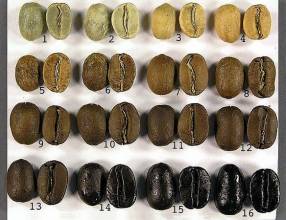
Coffee roasting principle: an introduction to the principle of different degrees of coffee roasting by heat conduction, convection and radiation
To do a good job in baking, every production link can not be ignored, the selection of materials should be fastidious, the weighing of materials should be accurate, and the operation should be careful. Baking is a science. To understand the principle of baking, we must first understand the three ways of heat conduction, convection and radiation. Conduction refers to when the heat is transmitted by the heat source, causing the surrounding molecules to vibrate and release heat, gradually moving from the high temperature to the low temperature. Conduction of stainless steel

CEO Schultz leaves office next year-Starbucks moves towards high-end coffee
Maintain the appeal of the high-end crowd the Wall Street Journal analysis believes that Starbucks is moving towards high-end coffee, and the internal project, known as Siren Works, is currently facing increasing competition. For example, Downdole, which has 7000 stores in the United States and has 16.1% market share, is rapidly catching up with Starbucks, not only copying Starbucks' cold iced coffee, but also
The basic chemical reaction of coffee roasting process
Many thermal and chemical reactions take place during baking: decarbonation, dehydration of quinic acid, subdivision, isomerization, polymerization, and complex sugar reactions (caramelization). The main components of the thermal reaction are monosaccharides and sucrose, chlorogenic acid, free amino acids, and fenugreek amide. Both aravinose and calactose in the polysaccharides are transferred, and the basic vulcanization contains hydroxylated amino acid.
The basic chemical reaction that takes place during coffee roasting.
Many thermal and chemical reactions take place during baking: decarbonation, dehydration of quinic acid, subdivision, isomerization, polymerization, and complex sugar reactions (caramelization). The main components of the thermal reaction are monosaccharides and sucrose, chlorogenic acid, free amino acids, and fenugreek amide. Both aravinose and calactose in the polysaccharides are transferred, and the basic vulcanization process includes hydroxylamine.

The basic chemical reactions that take place during coffee roasting
Many thermal and chemical reactions take place during baking: decarbonation, dehydration of quinic acid, subdivision, isomerization, polymerization, and complex sugar reactions (caramelization). The main components of the thermal reaction are monosaccharides and sucrose, chlorogenic acid, free amino acids, and fenugreek amide. Both aravinose and calactose in the polysaccharides are transferred, and the basic vulcanization process includes hydroxylamine.
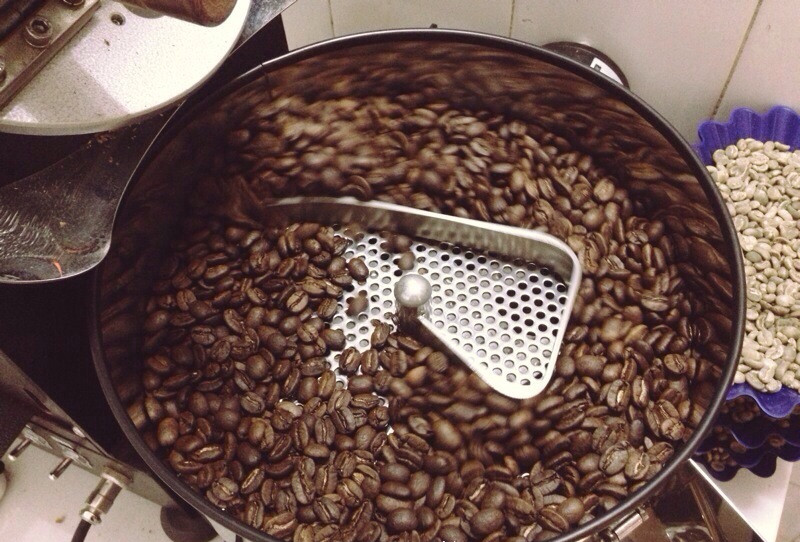
Basic chemical reactions of coffee beans during coffee roasting
Many thermal and chemical reactions take place during baking: decarbonation, dehydration of quinic acid, subdivision, isomerization, polymerization, and complex sugar reactions (caramelization). The main components of the thermal reaction are monosaccharides and sucrose, chlorogenic acid, free amino acids, and fenugreek amide. Both aravinose and calactose in the polysaccharides are transferred, and the basic vulcanization process includes hydroxylamine.
The basic chemical reactions that take place during coffee roasting
Many thermal and chemical reactions take place during baking: decarbonation, dehydration of quinic acid, subdivision, isomerization, polymerization, and complex sugar reactions (caramelization). The main components of the thermal reaction are monosaccharides and sucrose, chlorogenic acid, free amino acids, and fenugreek amide. Both aravinose and calactose in the polysaccharides are transferred, and the basic vulcanization process includes hydroxylamine.

Several problems that should be paid attention to in coffee roasting how to solve the insufficient preheating temperature of the oven?
In order to do a good job in baking, every production link can not be ignored, the selection of materials should be fastidious, the weighing of materials should be accurate, and the operation should be careful. Baking is a science. To understand the principle of baking, we must first understand the three ways of heat conduction, convection and radiation. Conduction refers to when the heat is transmitted by the heat source, causing the surrounding molecules to vibrate and release heat, gradually moving from the high temperature to the low temperature. The transmission of stainless steel
The basic chemical reactions that take place during coffee roasting.
Many thermal and chemical reactions take place during baking: decarbonation, dehydration of quinic acid, subdivision, isomerization, polymerization, and complex sugar reactions (caramelization). The main components of the thermal reaction are monosaccharides and sucrose, chlorogenic acid, free amino acids, and fenugreek amide. Both aravinose and calactose in the polysaccharides are transferred, and the basic vulcanization process includes hydroxylamine.

The dramatic evolution of the stages of coffee roasting
What I just mentioned is something that happens inside the coffee beans, so what will happen in the appearance? A few minutes before the coffee beans are heated in the baking room, we don't see much change in appearance, when the coffee beans are still grayish green and there is no sound. After a while, the appearance of coffee beans will gradually turn yellow and emit similar colors.

Several problems that should be paid attention to in coffee roasting what if the temperature of the oven is too high?
In order to do a good job in baking, every production link can not be ignored, the selection of materials should be fastidious, the weighing of materials should be accurate, and the operation should be careful. Baking is a science. To understand the principle of baking, we must first understand the three ways of heat conduction, convection and radiation. Conduction refers to when the heat is transmitted by the heat source, causing the surrounding molecules to vibrate and release heat, gradually moving from the high temperature to the low temperature. The transmission of stainless steel

Coffee roasting principle Coffee roasting problems often encountered in the stage of coffee roasting roasting is a knowledge of roasting tools and equipment
To do a good job in baking, every production link can not be ignored, the selection of materials should be fastidious, the weighing of materials should be accurate, and the operation should be careful. Baking is a science. To understand the principle of baking, we must first understand the three ways of heat conduction, convection and radiation. Conduction refers to when the heat is transmitted by the heat source, causing the surrounding molecules to vibrate and release heat, gradually moving from the high temperature to the low temperature. Conduction of stainless steel
The basic chemical reaction of coffee technology in the process of coffee roasting
Many thermal and chemical reactions take place during baking: decarbonation, dehydration of quinic acid, subdivision, isomerization, polymerization, and complex sugar reactions (caramelization). The main components of the thermal reaction are monosaccharides and sucrose, chlorogenic acid, free amino acids, and fenugreek amide. Both aravinose and calactose in the polysaccharides are transferred, and the basic vulcanization process includes hydroxylamine.

The basic chemical reaction of coffee knowledge during coffee roasting.
Many thermal and chemical reactions take place during baking: decarbonation, dehydration of quinic acid, subdivision, isomerization, polymerization, and complex sugar reactions (caramelization). The main components of the thermal reaction are monosaccharides and sucrose, chlorogenic acid, free amino acids, and fenugreek amide. Both aravinose and calactose in the polysaccharides are transferred, and the basic vulcanization process includes hydroxylamine.
The basic chemical reaction that takes place during coffee roasting.
Basic chemical reactions that occur during coffee roasting author: Carl Staub originates from the SCAA baking color classification system, developed by Agtron SCAA 1995 original text from: http://www.sweetmarias.com/roast.carlstaub.html translation: Grant, http://www.baristacn.com/forum/thread-1583-1-1.html in the roasting process

Coffee wings join the fee coffee wings self-service coffee machine how about coffee wings official website
Professional coffee knowledge exchange more coffee bean information Please follow the coffee workshop (Wechat official account cafe_style) after landing on the new third board, the performance of Coffee Wing (871216.OC) has not soared. On June 28, Hunan Coffee Wing Brand Management Co., Ltd. (hereinafter referred to as Coffee Wing) released its first annual report after listing the new third board. The company established in 2016.
How to distinguish low-caffeine coffee beans? How to bake decaf beans? Development trend of low-caffeine coffee market
Professional coffee knowledge exchange more coffee bean information Please follow the coffee workshop (Wechat official account cafe_style) with the accelerated development of the coffee market and the continuous improvement of customer requirements for quality, improving roasting quality, especially ensuring the quality of low-caffeine coffee baked products, has become the biggest challenge faced by all coffee roasters. According to statistics, in 2017, decaf
Structure diagram of coffee bean roaster-Taiwan Pegasus coffee bean roaster
Coffee bean roaster structure diagram-Taiwan Pegasus coffee bean roaster structure, which is characterized in that it comprises a roasting device comprising at least one baking barrel, which is provided with a cylinder wall surface and a first end face and a second end face of the two ends of the tube wall surface, and the first end face is provided with a multiple air intake through hole, and the roaster cylinder is provided with a continuous rotating shaft.